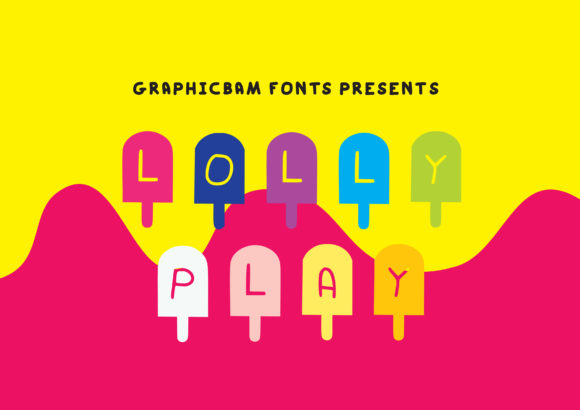
Lolly Play: A Fun Display Font for Creative Projects
There I was, staring at a blank brand board, trying to figure out how to bring a fresh, playful vibe to a small café’s visual identity. The client wanted something that felt approachable and inviting, something that made you think of summer days and sweet treats. That’s when I stumbled on Lolly Play.
Lolly Play is a set of cute ice pops lollies with a playful, childlike font that feels hand-drawn and friendly. The rounded edges and soft curves give it a warm, approachable personality that immediately makes you want to smile. It’s not just a font—it’s a mood, a feeling, and a visual language all in one.
I started by testing Lolly Play on a logo draft. The font’s handwritten style added a sense of authenticity and creativity that a more rigid typeface wouldn’t have. It wasn’t too flashy, but it had enough character to stand out without overwhelming the design. I experimented with different color combinations, and it worked well with both pastel shades and bold, bright hues.
As I moved into packaging design, Lolly Play proved to be a great fit for product labels and sticker designs. Its playful nature made it perfect for a café that wanted to highlight its seasonal drinks and homemade desserts. I used it on coffee cup sleeves, takeout bags, and even a menu header. The font added a touch of whimsy that aligned perfectly with the brand’s personality.
One of the things I love about Lolly Play is how it works in short-form text. Whether it’s a social media graphic, an Instagram post, or a flyer, it brings a sense of energy and fun without sacrificing readability. It’s ideal for headlines, taglines, and accents in editorial design. I found it especially effective when paired with a clean sans serif font for body text, creating a nice contrast that kept the design from feeling too busy.
When working on a website header, Lolly Play gave the site a unique and memorable look. It wasn’t too loud, but it definitely caught the eye. I used it sparingly, making sure it didn’t overpower the other elements on the page. The result was a design that felt modern yet nostalgic, like a childhood memory brought to life through typography.
Another area where Lolly Play shines is in printed marketing materials. On business cards, it added a personal touch that made the brand feel more human. For a poster promoting a local event, it helped create a sense of excitement and anticipation. The font’s friendly curves made it easy to read from a distance, which was important for outdoor signage.
One thing to consider when using Lolly Play is its suitability as a display font. It’s not meant for long paragraphs of text, but as a headline or accent font, it’s incredibly effective. I found that it worked best when used in small doses, allowing it to make an impact without becoming distracting.
Testing Lolly Play before committing to a full brand system was key. I tried it on different mockups—website headers, packaging, social media posts—and saw how it adapted to each context. This helped me understand its strengths and limitations, ensuring it would serve the project well in the long run.
Font pairing is another important consideration. I paired Lolly Play with a classic serif font for a more balanced look, which worked well for a blog section on the café’s website. For a more modern feel, I used it alongside a sleek sans serif, which created a clean and professional aesthetic. Each combination brought out different aspects of the font’s personality, showing its versatility in different design contexts.
When working with clients, I always recommend testing fonts in real-world scenarios. Lolly Play is no exception. I encouraged the client to see how it looked on different materials, from business cards to signage, to ensure it met their needs. This process helped build trust and confidence in the final design.
For commercial use, Lolly Play offers a range of styles and weights that allow for flexibility in design. It includes alternates and ligatures that add variety and depth to the typography. The multilingual support makes it a good choice for brands that operate in multiple regions. And with proper licensing, it can be used across a wide range of design assets, from digital templates to merchandise.
Overall, Lolly Play is a great addition to any designer’s toolkit, especially for projects that require a friendly, creative, and approachable look. Its playful yet professional nature makes it suitable for a wide range of branding efforts, from small businesses to larger creative studios. Whether you’re designing a logo, a packaging label, or a social media campaign, Lolly Play has the potential to elevate your work with its unique charm and character.